How to Care for Clothes So They Last for Years
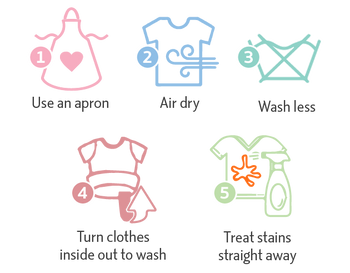
Most clothes do not wear out because you wear them too much. They fall apart because you wash them wrong, dry them too hot, or hang them on cheap wire hangers. You can double the life of your favourite cotton tees and wool knits with a few easy changes to your laundry routine.
To keep your clothes looking new, wash them less often, use cold water, and air dry whenever you can. Fix small rips early and store heavy items flat. These simple habits save your wardrobe and keep your hard-earned money in your bank account.
Wash Your Clothes Less and Spot Clean First
We wash our clothes way too much. Unless you worked up a sweat at the gym or spilled soup down your front, that denim jacket or navy blazer does not need to go into the hamper after one wear. Washing causes friction, and friction breaks down fabric fibers until your clothes look faded and thin.
My old roommate used to toss his heavy dark jeans into the wash after wearing them for just three hours at a desk job. Within two months, the rich indigo colour washed out, and the knees sagged. Once he switched to airing them out near an open window overnight, those same jeans stayed deep blue for over two years.
Try these simple rules for your daily routine:
- Raw denim and jeans: Wear them 5 to 10 times before washing.
- Wool sweaters and cardigans: Wash them once or twice a season unless stained.
- Cotton t-shirts and underwear: Wash after every single wear.
- Button-up shirts: Wear 2 times if you wore an undershirt beneath it.
When you get a small spill, spot clean it right away. Take a damp cloth with a tiny drop of mild soap and press it into the stain. Do not rub hard, or you will push the stain deeper into the weave. If you want more tips on proportions and keeping your silhouettes clean, check out our guide on How to Look Taller With Clothes: 9 Simple Style Tricks.
Turn Water Temps Down and Skip the Hot Dryer
Heat is the number one enemy of stretch fabrics, wool, and dark cottons. Hot water cooks stain proteins into the fabric and shrinks cotton fibers fast. High heat inside a tumbling dryer melts the tiny spandex threads that make your stretch skinny jeans stay tight, leaving you with baggy knees and a loose waist.
Set your washing machine to 30 degrees Celsius or cold water. Cold water cleans everyday dust and oils just fine with modern liquid detergents. It stops red cotton shirts from bleeding onto white tees, and it saves a bundle on your power bill every month.
Always turn your dark garments, printed shirts, and black jeans inside out before putting them in the tub. This simple move protects the outside finish from rubbing against other clothes. For delicate items like a fine lace top or a thin silk scarf, toss them inside a mesh laundry bag so they do not catch on zips or buttons.
When the wash cycle finishes, skip the hot dryer. Shake out the wrinkles while the fabric is wet, then hang your shirts on wooden drying racks. Hang dark clothes in the shade, because harsh afternoon sun will bleach your black tees to a dull grey within hours.
How to Care for Clothes Made of Wool and Silk
Natural materials like merino wool, cashmere, and real silk sound tricky to clean, but they are tough if you handle them right. Wool naturally repels dirt and smells due to the lanolin in the sheep hair. A quick air out on a breeze-filled balcony often makes a sweater smell fresh without any water at all.
When it is time for a full wash, do not dry clean every time. Dry cleaning uses harsh chemicals that make soft wool feel stiff over time. Instead, fill a clean sink with cool water and a spoonful of gentle baby shampoo or wool wash. Soak the sweater for ten minutes, gently squeeze the soapy water through the knit, and rinse with clean cold water. Never wring out a wool sweater like a wet towel, or you will pull it out of shape forever.
Instead, lay the damp sweater on a clean white bath towel. Roll the towel up with the sweater inside, like a cinnamon roll, and press down gently to soak up the water. Unroll it, reshape the flat knits, and let it dry flat on a fresh dry towel. To build a solid foundation of long-lasting items, explore our main budget fashion guide page for everyday inspiration.
Store Clothes Right to Keep Their Shape
How you store your clothes in the closet matters just as much as how you wash them. Wire hangers from the dry cleaners are terrible for your clothes. They concentrate all the weight of a jacket onto two thin metal points, creating ugly bumps on the shoulders that are nearly impossible to iron out.
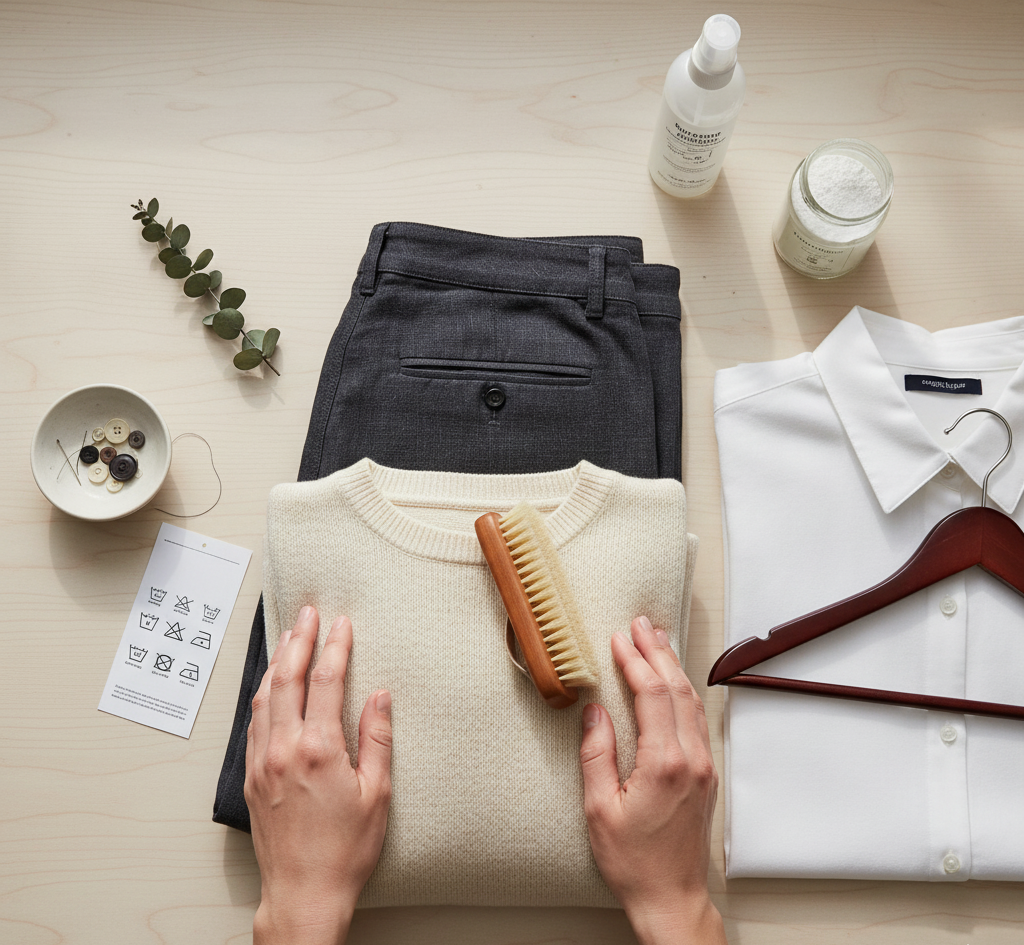
Swap cheap wire hangers for thick wooden hangers or soft velvet padded ones. Use wide wooden hangers for structured coats and suits to support the shoulder pads. Use velvet hangers for slick silk tops so they do not slide onto the closet floor.
Capsule wardrobe pieces stay fresh much longer when you store them by material type rather than colour:
- Hang: Cotton button-downs, linen trousers, dress pants, blazers, and dresses.
- Fold: Heavy wool knits, cotton t-shirts, sweatshirts, and heavy denim.
Never hang heavy knit sweaters on hangers. The weight of the wet or dry wool will stretch the neck line out, making your neat £40 sweater look like an old sack by next winter. Fold your knits loosely and stack them on open shelves or inside canvas storage boxes.
Fix Small Problems Before They Break Clothes
A missing button or a tiny loose thread should never land a good pair of pants in the bin. Learning to sew a basic button back onto a shirt takes five minutes and costs less than a pound for a needle and thread kit. Keep a basic sewing kit in your bedroom drawer for fast repairs.
Check your clothes every few weeks for loose threads on hem lines. Never rip a loose thread with your fingers, or you might unravel an entire hem down the leg of your trousers. Grab a small pair of scissors and trim the thread close to the cloth knot.
Pilling is another common issue. Those tiny fuzz balls form on wool, fleece, and polyester blend tops when short fibers rub together under your arms or under bag straps. You do not need to throw out a sweater just because it pills. Run a small battery-powered fabric shaver gently over the surface, and the sweater will look brand new in under three minutes.
Keep your shoes looking sharp too. Leather boots dry out and crack if you leave them covered in winter mud. Wipe off dried dirt with a damp rag, let the leather dry away from radiators, and rub in a small dab of clear leather conditioner every few months. Your shoes will stay soft, waterproof, and sleek for years.
Smart Ironing and Steaming Secrets
Direct heat from a flat iron can scorch cotton and leave shiny slick marks on dark polyester trousers. High iron heat burns tiny synthetic fibers, leaving shiny streaks that never wash out. If you must iron dark slacks or a navy suit coat, place a damp cotton kitchen towel over the garment first as a press cloth.
Better yet, pick up a small hand steamer. Steam relaxes fabric fibers naturally without flattening the texture or risking burnt spots. A quick three-minute steam takes deep packing wrinkles out of a crisp linen shirt or a rayon summer dress easily.
If you do not own a steamer, hang your wrinkled shirt on a sturdy plastic hanger in the bathroom while you take a hot shower. The trapped steam relaxes light wrinkles while you wash your hair. Shake the shirt out straight right after your shower, and let it hang in your bedroom to dry off completely before putting it on.
Taking care of your wardrobe takes a little extra effort each week, but the payoff is huge. You buy fewer replacement clothes, your daily outfits look crisp and neat, and your favourite pieces stay in great shape for years to come. Pick two shirts from your closet today, check their care labels, and hang them up on proper wooden hangers.


Comments
Post a Comment